See more on our Facebook page:

Thursday, March 7, 2019

Jennifer Jones: Cacapon and Lost Rivers Land Trust

Cacapon and Lost Rivers Land Trust, Inc.
March 7

From the new Executive Director Jennifer Jones:

Image may contain: 1 person, smiling, closeup and outdoor
It is with much gratitude that I greet you as the new Executive Director of the Cacapon and Lost Rivers Land Trust.

The words “Land” and “Trust” will be my guiding stars. As a Land Trust our job is to preserve as much of the natural land and heritage of the Cacapon River watershed as possible. We can only do that we if have the trust of the landowners that live here and others who understand the urgency and importance of our work.

I’ve had the privilege of working with landowners all over the country and just over the ridge in Virginia. I’ve listened to them talk about their struggle to hold onto their land and engage the next generation. And, I’ve heard them talk about how their land defines their sense of place and their identity.

It’s a love for the land -- and all the challenges that come with it -- that brings me here, to be in service to you, to earn your trust and to help conserve this unique and vital resource.

The Cacapon watershed is one of the most ecologically-beneficial tributaries to the Chesapeake Bay because of its water quality, filtered clean by the forested landscapes that surround it and graced by a vast array of wildlife and plants. This is a landscape held together by generations of farmers who

Tuesday, February 26, 2019

Water of the Potomac

Could a reservoir on the South Branch be part of the future plan for sustainable water availability (and flood control) downstream?

The Potomac Basin- Is the Water Adequate?

Elizabeth Ward
Elizabeth Ward

The Potomac River is 383-miles long and contains 14,670 square miles that makes up the Potomac Basin. The largest portion of the Potomac basin is in Virginia -5,723 square miles; while Maryland contains 3,818 square miles, West Virginia-3,490 miles, Pennsylvania -1,570 square miles, and 69 square miles that constitute the District of Columbia. The Potomac basin is made up of wetlands, streams, rivers, reservoirs, lakes, and the Potomac estuary.

The Potomac River, its tributaries, and the associated groundwater resources are vital to the region, it is the source of drinking water for the over 6,000,000 people in the Washington Metropolitan area. The Potomac River is the main supply of water for WSSC and the Washington Aqueduct and the major source of water for Loudoun Water and Fairfax Water. The Interstate Commission on the Potomac River Basin (ICPRB) manages the allocation of the Potomac River waters in time of drought or low flow, but also conducts studies on pollution, emerging contaminants and other water problems; from water supply adequacy, population growth patterns, to climate change impact on

Friday, February 1, 2019

Friday, January 18, 2019

Criticism of WV DEP over Water Quality


From the Register-Herald

Citizens, advocates criticize DEP for failing to defend water quality standards


By Erin Beck Register-Herald Reporter
Jan 17, 2019

Citizens, advocates criticize DEP for failing to defend water quality standards

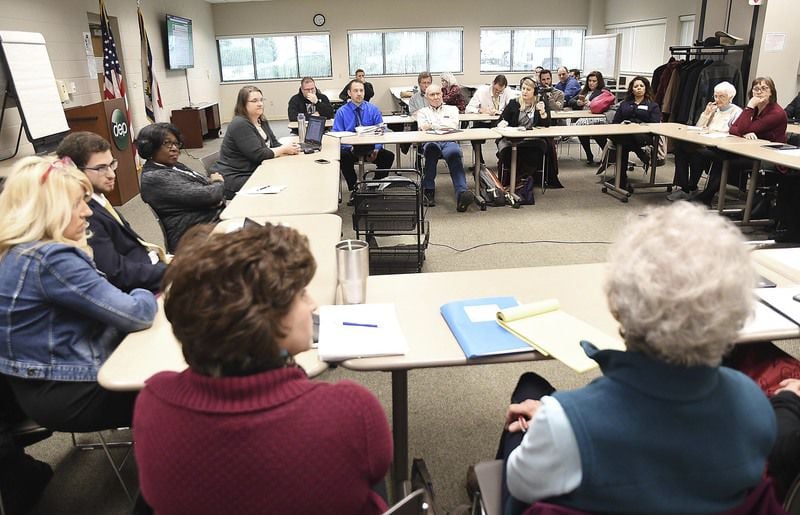
CHARLESTON — About 30 people turned out for a public listening session Thursday at the Department of Environmental Protection, with most criticizing the DEP for recently opting not to defend its own proposal to update water quality standards.

After the federal Environmental Protection Agency recommended West Virginia update standards for amounts of pollutants allowed in West Virginia rivers and streams in 2015, the DEP released last year its proposal to update about 60 of those standards.

For about two-thirds of the standards, less pollution would have been permitted in West Virginia waterways. For about one-third, more pollution would have been allowed.

But in late November, at the request of the West Virginia Manufacturers Association, the state lawmakers who were members of a joint rule-making committee decided to leave the standards the way they are instead, at levels enacted in the 1980s.

Thursday, the DEP held a public meeting at its Kanawha City office on those standards. The rule-making committee's decision, as well as the DEP's decision not to defend its own proposal before the

Tuesday, December 11, 2018

Potomac Conservancy protects 270-acre upstream forest near Bloomery


Potomac River dolphin
December 10, 2018
Complete article at

https://potomac.org/blog/2018/12/10/300-acre-land-deal


Discover why their newest land deal is good news for clean water.


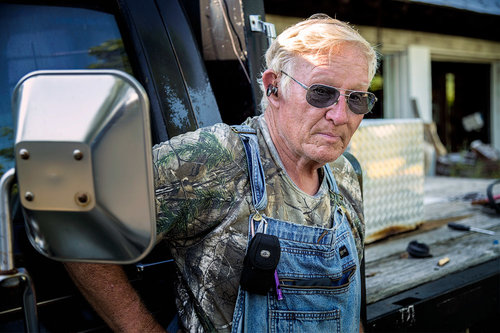
For Carl Hovermale and his siblings, Bear Garden is more than a piece of land. It’s what the family calls, “the home place.”
Carl hovermale, owner of bear garden. (c) william macfarland, www.macfarlandphoto.net
Nestled on the outskirts of Cross Junction, Virginia, Bear Garden’s 270-acres of streams, fields, and sprawling forests have been home to Carl’s family for over one hundred years.


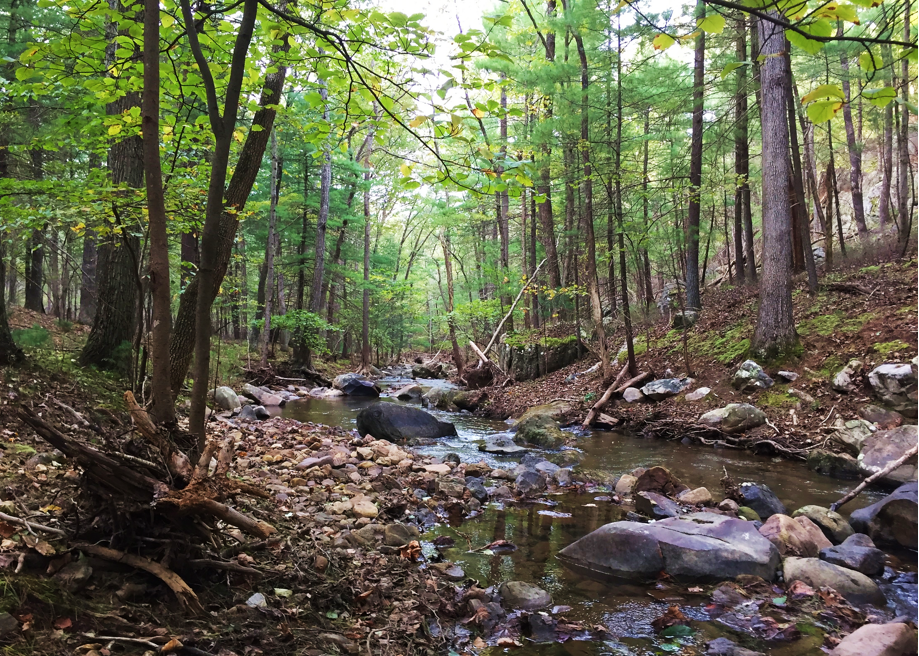
Bear Garden Run, a native brook trout stream, meanders through this land on its way to Sleepy Creek, a tributary to the Potomac River. As an accredited land trust, Potomac Conservancy has worked closely with the Hovermales to protect this waterway and the family’s land through a conservation easement.

This fall, that dream became a reality. Bear Garden and its namesake stream are now protected forever.

“[Bear Garden] is an integral part of our being,” Carl explains, “and we want it preserved hopefully for our descendants and future generations. We believe that this area with its pristine trout stream, picturesque rock cliffs, and wildlife habitat is worthy of preservation from any kind of development.” 

At a time when rural areas are faced with encroaching development pressure, land conservation is one of the best tools we have to protect the health of the Potomac River. In our 25-year history, Potomac Conservancy has worked with families like the Hovermales to permanently protect over 15,000 acres of streamside lands and forests. We thank the generous support of the Virginia Environmental Endowment, private foundations, and members who empower us to protect healthy lands and clean streams.


Monday, November 12, 2018

Treating fish better - prevent jaw damage


What Happens When You Hold a Bass?

from Wired2Fish.com

What Happens When You Hold a Bass?

By Walker Smith & Steven Bardin

Nov 7, 2017


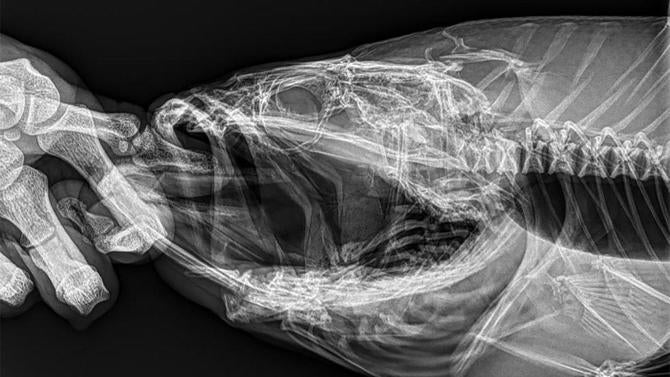
As avid bass anglers, we all strive to be good conservationists while minimizing our impact on fisheries. At the same time, however, we also want to show off our catches to our friends and family. This leads us to a prominent question that has been at the center of many spirited debates: What, if any, physical impact does holding a bass have on its jaw?

There isn't much scientific research on this topic, which currently leaves anglers and biologists very little basis for making recommendations. We want to begin to change that.

To gain a better understanding of this issue and learn exactly what's happening to the jaw when held at various angles, we teamed up with Steven Bardin, a leading fisheries biologist and owner of Texas Pro Lake Management. Bardin, along with two veterinarians, Dr. Casey Locklear and Dr. Steven Mapel, designed and conducted an experiment to help shed some light on things.

The results and correlating imagery were nothing short of fascinating.

Bardin and his team of veterinarians had very specific criteria for this experiment. In order to judge the effects on overweight, trophy-sized fish without actually harming true trophies, they paid

Saturday, June 2, 2018

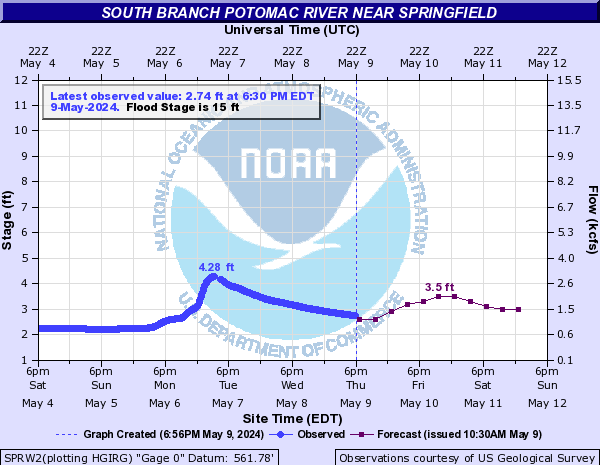
Big storms impact on the South Branch river levels

While flash flooding closed roads everywhere, the South Branch flooding is affected most by rainfall far upstream.

South Branch Potomac River near Springfield

Friday, May 25, 2018

Looking for Job Opportunities in Conservation?


We maintain a listserv of about 200 or more former graduate students for sharing Mid-Atlantic job announcements (send an email to JimE@vt.edu to join), but here is an interesting resource to find jobs beyond our region:

www.facebook.com/conservationjobboard/